How Password Managers Improve Security

Password managers centralize credentials in a secure vault, enabling unique, strong passwords across sites. They automate autofill, monitor for breaches, and deliver real-time alerts against phishing and credential stuffing. Access controls and multi-factor options bolster authentication, while auditable activity supports accountability. The approach aligns with zero-trust principles and privacy-by-default practices, reducing credential proliferation and human error. Yet, questions remain about deployment choices and risk management in diverse environments, inviting a closer examination of practical safeguards and trade-offs.
What a Password Manager Does for Security
A password manager enhances security by centralizing credential storage and enforcing stronger, unique passwords across accounts. It operates as a password vault, safeguarding credentials while enabling auto fill for seamless access. It promotes password hygiene through regular updates and strength checks, and provides breach alerts to prompt rapid reassessment, empowering users to maintain resilient, freedom-centered digital boundaries without vulnerability.
How It Blocks Phishing and Credential Stuffing in Real Time
Phishing and credential-stuffing defenses kick in in real time by cross-checking login attempts against known phishing indicators and breached credential lists, then blocking suspicious activity before credentials are submitted. This mechanism operates transparently, reducing risk without user intervention. It leverages centralized threat intelligence to detect phishing real time and prevent credential stuffing real time, preserving user autonomy and trust.
How It Strengthens Authentication and Data Protection
Password managers strengthen authentication and data protection by consolidating credential storage with robust access controls and standardized authentication flows. They reduce credential proliferation, enforce multi-factor options, and centralize audit trails, aiding privacy architecture and compliance. Threat modeling informs risk-based controls, while secure enclaves and zero-trust principles limit exposure. This disciplined approach clarifies attack surfaces and supports disciplined, freedom-respecting security design.
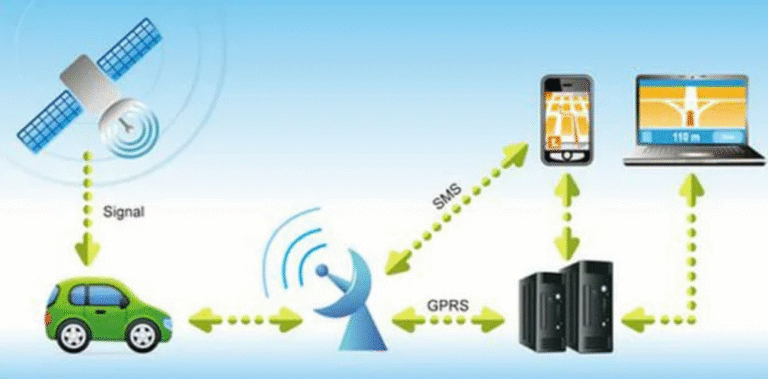
See also: How GPS Technology Works
How to Choose and Use a Password Manager for Maximum Safety
To maximize safety, selecting and using a password manager requires a structured, evidence-based approach: evaluate vendor security models, verify cross-platform support, and prioritize zero-knowledge architectures, local vaults, and robust master password policies.
A disciplined choice includes assessing password vault organization, phishing shield effectiveness, and emergency access controls, ensuring consistent updates, and maintaining user awareness without compromising autonomy or simplicity.
Frequently Asked Questions
How Do Password Managers Handle Offline Access and Local Vault Security?
They handle offline access by decrypting locally with a master key, preserving local vault security. They store non-password credentials securely and use keys or codes for authentication, ensuring data remains inaccessible without the master credential, even when offline.
Can They Store Non-Password Credentials Like Keys or Codes Safely?
Answering the current question: yes, password managers can store non-password credentials like keys or codes if they support secure notes or custom fields. Two word discussion ideas: Nonessential credentials. They remain encrypted, keeping freedom-seeking users informed, analytic, concise, and skeptical.
Do Password Managers Expose Data to Surveillance or Government Requests?
Yes, data may be subject to surveillance or government requests depending on jurisdiction, encryption, and service terms. The analysis emphasizes data sovereignty and threat modeling to assess risks and preserve autonomy and privacy.
Are There Risks With Browser-Integrated Password Managers vs. Standalone Apps?
Browser integrated options pose lower workflow friction but potentially broader surface exposure; standalone apps offer stronger compartmentalization with risk comparison favoring explicit vault access controls, albeit at the cost of convenience and manual synchronization.
How Often Should Master Passwords Be Rotated or Audited?
Master passwords should undergo rotating audits every 6–12 months, with stricter intervals for high-risk environments; offline access should be maintained for resilience. This approach balances freedom and security, emphasizing rotating audits and controlled offline access.
Conclusion
Password managers consolidate credentials into a centralized, auditable vault, advancing zero-trust defenses and reducing human error. They enforce unique, strong passwords, automate updates, and monitor for breaches, while offering phishing and credential-stuffing protection in real time. By integrating MFA, access controls, and activity logging, they strengthen authentication and data protection across environments. Anachronistically, they function like a digital chaperone in a knight’s visor: vigilant, precise, and ready to warn of treacherous sites before the blow lands.